Question 1 of 5
(a) What does it mean that organelles compartmentalize enzymatic reactions? (b) Give two organelle examples with different reaction types. (c) Why is this a eukaryotic hallmark relative to many prokaryotes?
Responses receive AI feedback against a rubric after submission. Scores are practice estimates.
(a) What does it mean that organelles compartmentalize enzymatic reactions? (b) Give two organelle examples with different reaction types. (c) Why is this a eukaryotic hallmark relative to many prokaryotes?
A toxin dissolves internal organelle membranes but leaves the plasma membrane intact briefly. (a) Predict effect on compartmentalized metabolism. (b) Explain using competing interactions. (c) Relate to why eukaryotes rely on internal membranes.
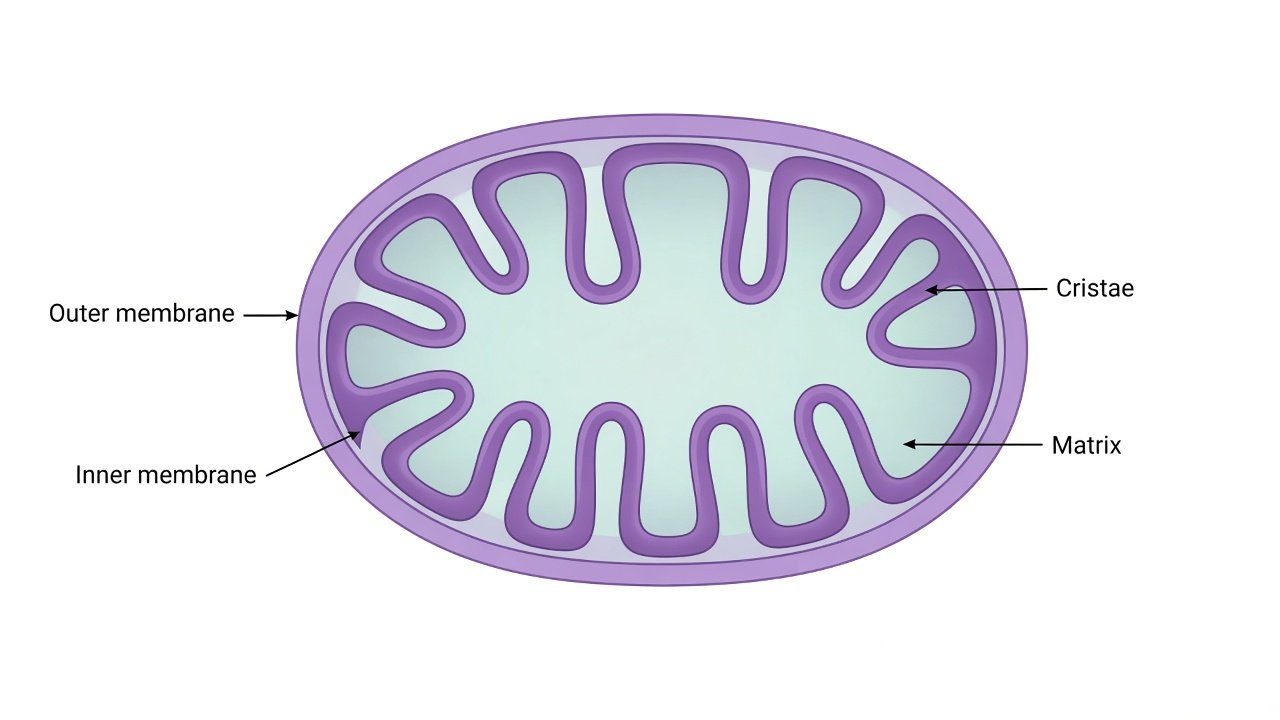
Describe the mitochondrion as a compartmentalized organelle. (a) Double membrane. (b) Named internal regions. (c) Why that structure fits 2.9.A.
Explain CED 2.9.B fully. (a) Competing interactions. (b) Surface area. (c) One organelle example for each idea.
Argue that compartmentalization is more than “having extra membranes.” (a) Functional separation. (b) Surface-area amplification. (c) Predict a cost if compartments ruptured.