Environmental Effects on Phenotype MCQ Practice

Question 1 of 10

Phenotypic plasticity is best defined as

  1. A. a permanent change in DNA sequence each generation.
  2. B. the ability of one genotype to produce different phenotypes under different environmental conditions.
  3. C. independent assortment of linked genes.
  4. D. maternal inheritance of mitochondria only.
Question 2 of 10

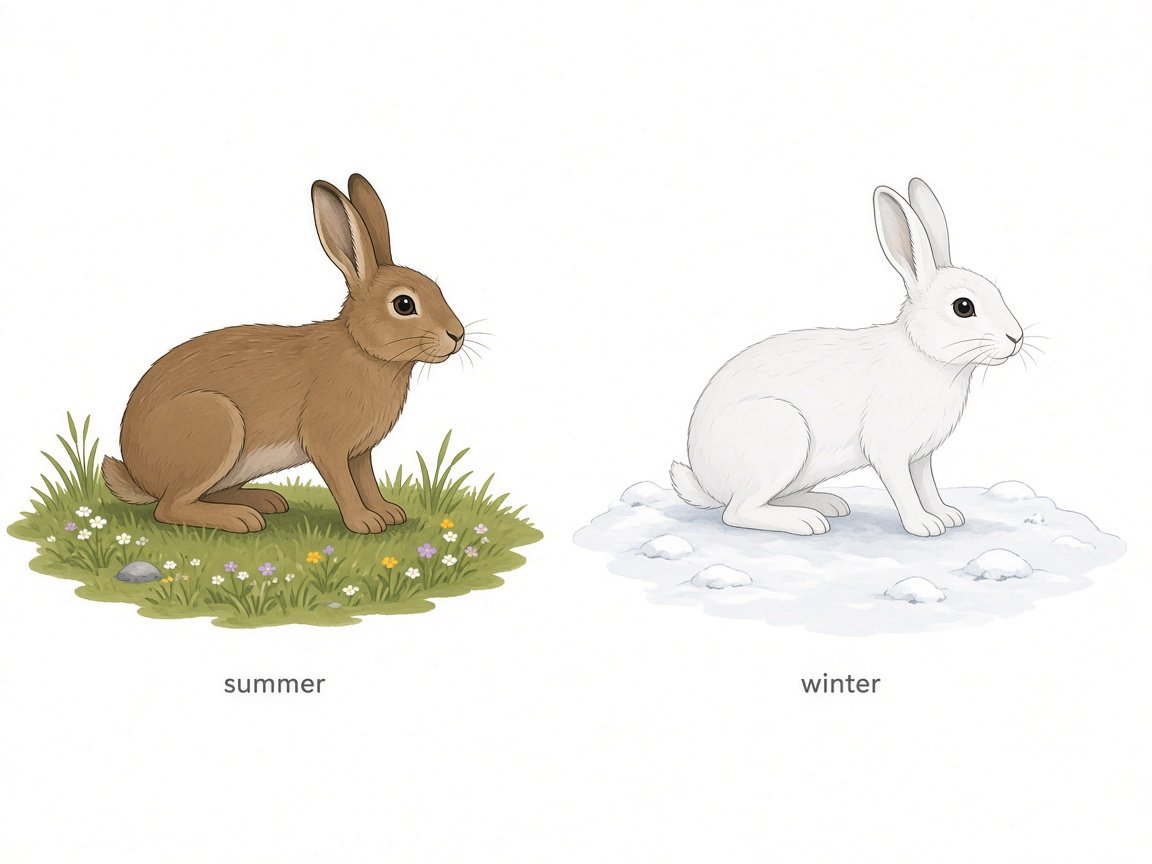
Seasonal fur color change in an arctic mammal with a fixed genotype is an example of

Same genotype shown with summer brown coat and winter white coat.
  1. A. environmentally influenced phenotypic plasticity.
  2. B. a change from diploid to haploid soma each winter.
  3. C. Y-linked Mendelian segregation of coat alleles each season.
  4. D. chloroplast gene conversion in muscle cells.

Question 3 of 10

Cloned hydrangeas of identical genotype produce blue flowers in acidic soil and pink flowers in basic soil. The best explanation is

Flower hue score versus soil pH for clones of one hydrangea genotype.
  1. A. the plants mutated their nuclear genomes in opposite directions.
  2. B. soil pH changes the DNA sequence of the flower-color gene.
  3. C. environmental pH influences gene expression / pigment phenotype for the same genotype.
  4. D. meiosis occurs in petals and segregates color alleles seasonally.

Question 4 of 10

Increased UV exposure raising melanin production in an animal illustrates

  1. A. that UV permanently deletes the melanin gene in all cells.
  2. B. independent assortment of UV photons.
  3. C. mitochondrial inheritance of skin color only.
  4. D. an environmental factor influencing a phenotypic trait.

Question 5 of 10

The graph shows fur reflectance versus day length for genetically identical hares. What claim is best supported?

Mean fur reflectance versus day length for genetically identical arctic hares.
  1. A. Phenotype changes with environment even though genotype is held constant.
  2. B. Day length alters the nucleotide sequence of coat-color alleles.
  3. C. The hares must be haploid in short days and diploid in long days.
  4. D. Reflectance is independent of environment for this genotype.

Question 6 of 10

Sex determination in some reptiles depends on nest temperature. This is an example of

  1. A. purely Mendelian segregation of a single autosomal gene with no environmental role.
  2. B. environment influencing phenotypic sex for a given genetic background.
  3. C. chloroplast DNA determining sex in all animals.
  4. D. crossing over between temperature and genotype.

Question 7 of 10

Human height is influenced by many genes and by nutrition. Which statement is most accurate?

  1. A. Genotype alone fixes adult height with zero environmental contribution.
  2. B. Nutrition changes the number of chromosomes in bone cells.
  3. C. The same genotypes can yield different heights under different nutritional environments.
  4. D. Height is inherited only through mitochondrial DNA.

Question 8 of 10

Presence of the opposite mating type inducing pheromone production in yeast demonstrates

  1. A. an environmental/external cue influencing gene expression and phenotype.
  2. B. that yeast lack genotypes.
  3. C. Mendelian independent assortment of pheromone molecules.
  4. D. meiosis occurring without chromosomes.

Question 9 of 10

Which experimental design best isolates phenotypic plasticity?

Group Genotype Environment Mean phenotype score
1 Clone A Low UV 2.1
2 Clone A High UV 6.4
  1. A. Compare unrelated genotypes each raised in a unique environment with no replication.
  2. B. Raise genetically identical individuals in two controlled environments and compare phenotypes.
  3. C. Sequence only mitochondrial DNA from one individual.
  4. D. Count chromosome number during anaphase I only.

Question 10 of 10

Environmental conditions influence phenotype primarily by affecting

  1. A. the laws of segregation only.
  2. B. Punnett square algebra exclusively.
  3. C. map units between linked genes only.
  4. D. gene expression and resulting traits for a given genotype.