Regulation of Cell Cycle MCQ Practice

Question 1 of 10

Scenario B. Internal controls that regulate progression through the cell cycle are called

  1. A. plasmodesmata
  2. B. cleavage furrows
  3. C. checkpoints
  4. D. neurotransmitters

Question 2 of 10

Scenario B. Cyclins interact with CDKs to
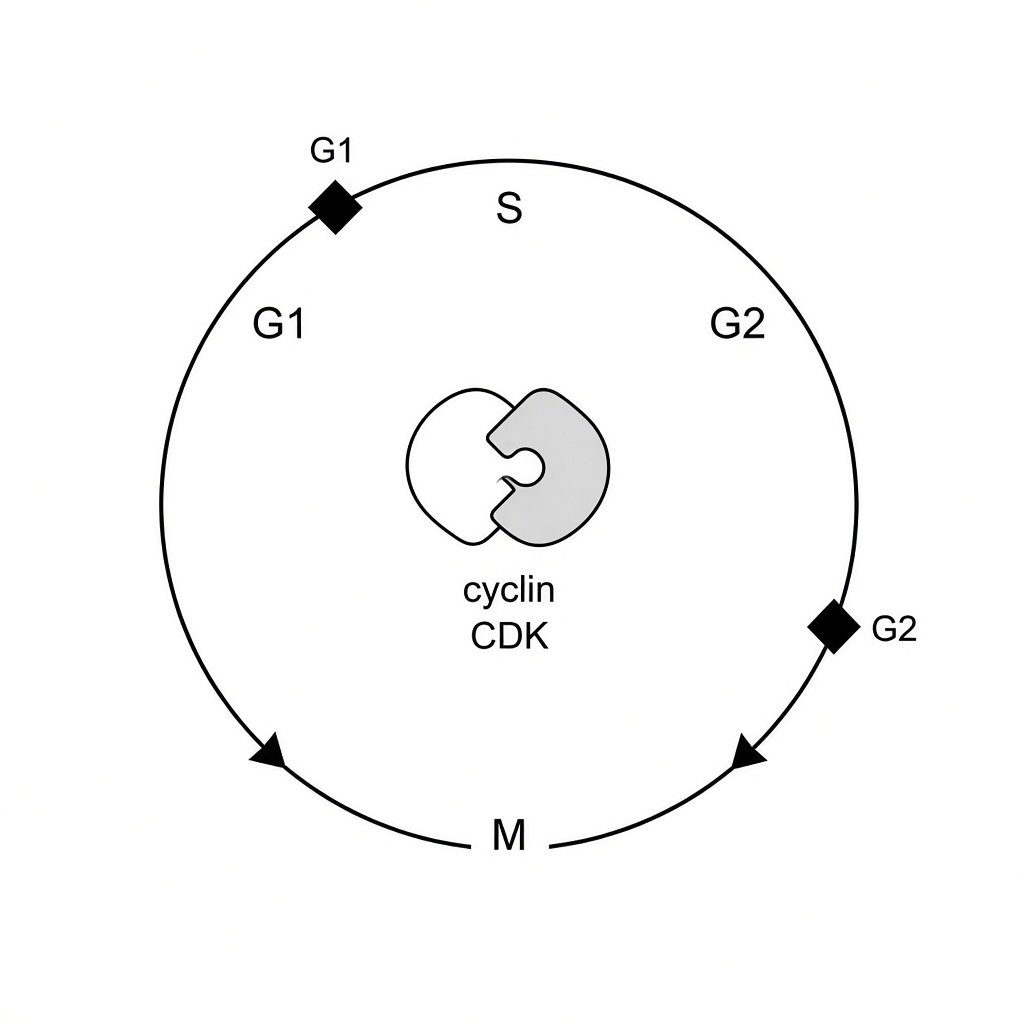
Cycle diagram highlighting checkpoints and cyclin–CDK.
  1. A. control the cell cycle
  2. B. form the only possible ligand in animals
  3. C. replace the need for DNA replication
  4. D. build blood vessels without any cellular division ever

Question 3 of 10

Scenario B. Which task is beyond the scope of the AP Exam according to the CED exclusion?

  1. A. Recognizing that checkpoints regulate progression
  2. B. Stating that cyclin–CDK interactions control the cycle
  3. C. Predicting effects of cycle disruption such as cancer
  4. D. Memorizing specific cyclin–CDK pairs and growth factor names

Question 4 of 10

Scenario B. A cell fails a G2 checkpoint because DNA replication is incomplete. The expected immediate regulatory response is

  1. A. forced entry into anaphase
  2. B. delayed progression into mitosis until conditions are appropriate
  3. C. deletion of all CDKs from the genome in seconds
  4. D. conversion to positive feedback of lactation

Question 5 of 10

Scenario B. Which description of cycle regulation is accurate?

  1. A. Checkpoints only exist after cytokinesis ends the organism’s life
  2. B. Cyclin–CDK control means students must list every growth factor
  3. C. Multiple internal controls coordinate whether a cell proceeds through cycle stages
  4. D. Regulation is unnecessary because mitosis never errs

Question 6 of 10

Scenario B. Compared with a cell that passes checkpoints normally, a cell that ignores checkpoint signals is more likely to

  1. A. progress under inappropriate conditions
  2. B. always have higher DNA repair fidelity
  3. C. lose the ability to perform interphase forever by definition
  4. D. become a ligand-gated channel

Question 7 of 10

Scenario B. Cancer can result when

  1. A. checkpoints function perfectly forever in every cell
  2. B. cell-cycle control is disrupted and division becomes inappropriate
  3. C. apoptosis removes every damaged cell successfully
  4. D. G0 is permanent in a tissue that should never divide

Question 8 of 10

Scenario B. Apoptosis in the context of cycle disruption is

  1. A. uncontrolled metastasis
  2. B. identical to cytokinesis
  3. C. a requirement that every cyclin be named
  4. D. programmed cell death that can protect the organism

Question 9 of 10

Scenario B. Which experimental observation best supports a claim that a drug restores checkpoint function?

  1. A. Damaged cells stop entering mitosis after treatment, whereas untreated damaged cells continue dividing
  2. B. All cells immediately become gametes
  3. C. DNA content falls to zero in healthy G1 cells
  4. D. Ligands stop existing in the bloodstream

Question 10 of 10

Scenario B. Failure of apoptosis in cells with severe DNA damage tends to

  1. A. guarantee perfect tissue architecture
  2. B. reduce mutation propagation risk to zero
  3. C. allow damaged cells to survive and potentially contribute to disease
  4. D. replace mitosis with endocrine signaling