Speciation MCQ Practice

Question 1 of 10

Scenario A. Speciation occurs when

  1. A. allele frequencies remain identical and gene flow is unlimited forever.
  2. B. populations become reproductively isolated from each other.
  3. C. individuals grow larger within one lifetime.
  4. D. mutation rate falls to zero.

Question 2 of 10

Scenario A. Under the biological species concept, species are groups that

Population pair Viable fertile offspring together?
1 vs 2 Yes
1 vs 3 No
2 vs 3 No
  1. A. can interbreed to produce viable, fertile offspring.
  2. B. always look identical.
  3. C. never share any ancestry.
  4. D. are defined only by fossil rock color.

Question 3 of 10

Scenario A. Two frog populations meet but produce only sterile hybrids. Under the biological species concept they are

  1. A. the same species because adults look similar.
  2. B. the same species because they share any ancestry at all.
  3. C. different species because they do not produce viable, fertile offspring.
  4. D. not evaluable because the BSC ignores reproduction.

Question 4 of 10

Scenario A. Reproductive isolation is required for speciation because without it

  1. A. mutation rates become infinite.
  2. B. gene flow can prevent populations from maintaining separate gene pools.
  3. C. fossils cannot form.
  4. D. selection becomes impossible in all environments.

Question 5 of 10

Scenario A. Punctuated equilibrium describes

  1. A. only gradual change at a constant slow pace with no stasis.
  2. B. evolution stopping permanently.
  3. C. rapid evolutionary change after long periods of little change (stasis).
  4. D. identical rates in all lineages always.

Question 6 of 10

Scenario A. Adaptive radiation often produces rapid speciation when

  1. A. new habitats become available and lineages diversify into them.
  2. B. gene flow is maximized among all demes forever.
  3. C. mutation is impossible.
  4. D. environments never differ.

Question 7 of 10

Scenario A. Convergent evolution occurs when

  1. A. related lineages diverge after adaptive radiation only.
  2. B. similar selective pressures produce similar phenotypic adaptations in different lineages.
  3. C. reproductive isolation is impossible.
  4. D. shared derived characters never evolve.

Question 8 of 10

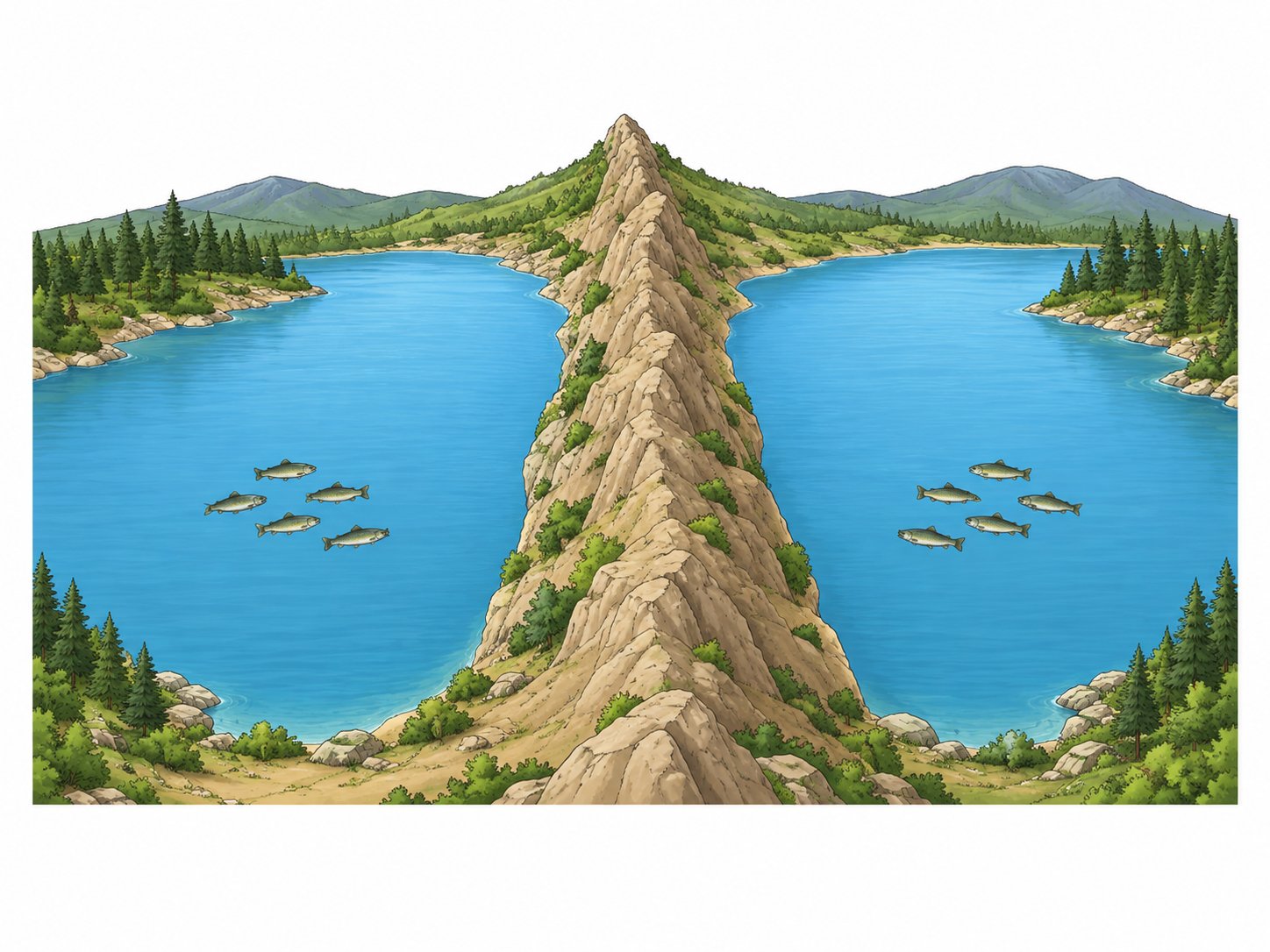
Scenario A. Allopatric speciation is associated with

Two fish populations inhabit separate lakes divided by a continuous mountain barrier.
  1. A. geographic isolation of populations.
  2. B. complete geographic overlap with free mating always.
  3. C. instant loss of all mutation.
  4. D. identical environments with unlimited gene flow.

Question 9 of 10

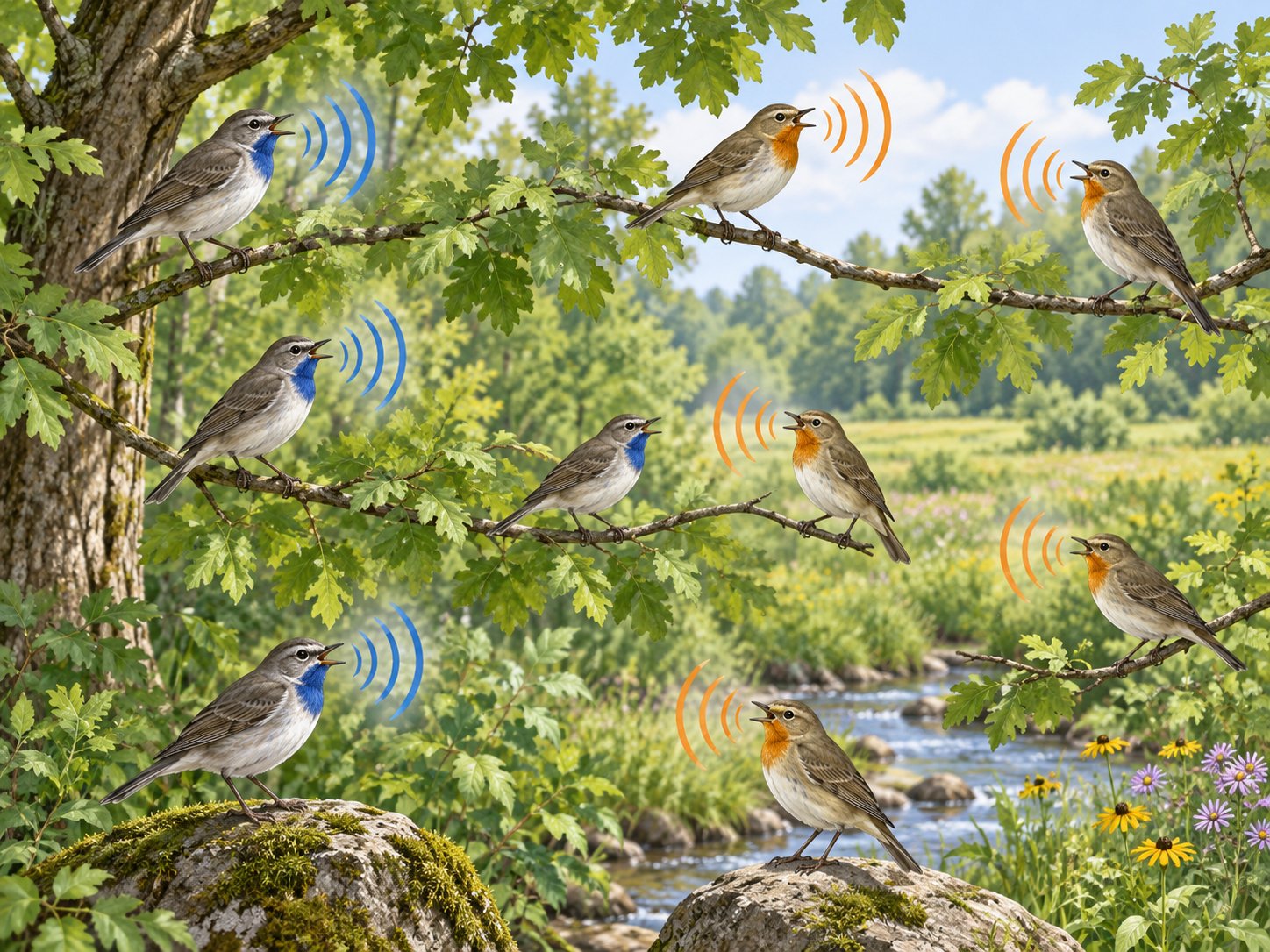
Scenario A. Sympatric speciation occurs

Two bird song groups share one continuous habitat, with no geographic divide.
  1. A. only when a mountain range splits a range.
  2. B. in populations with geographic overlap.
  3. C. only in fossils.
  4. D. when gene flow is unlimited and mating is random forever without isolation mechanisms.

Question 10 of 10

Scenario A. Pre-zygotic isolating mechanisms

  1. A. act only after hybrid adults form.
  2. B. always produce sterile hybrids.
  3. C. prevent fertilization or zygote formation between populations.
  4. D. are identical to genetic drift.